
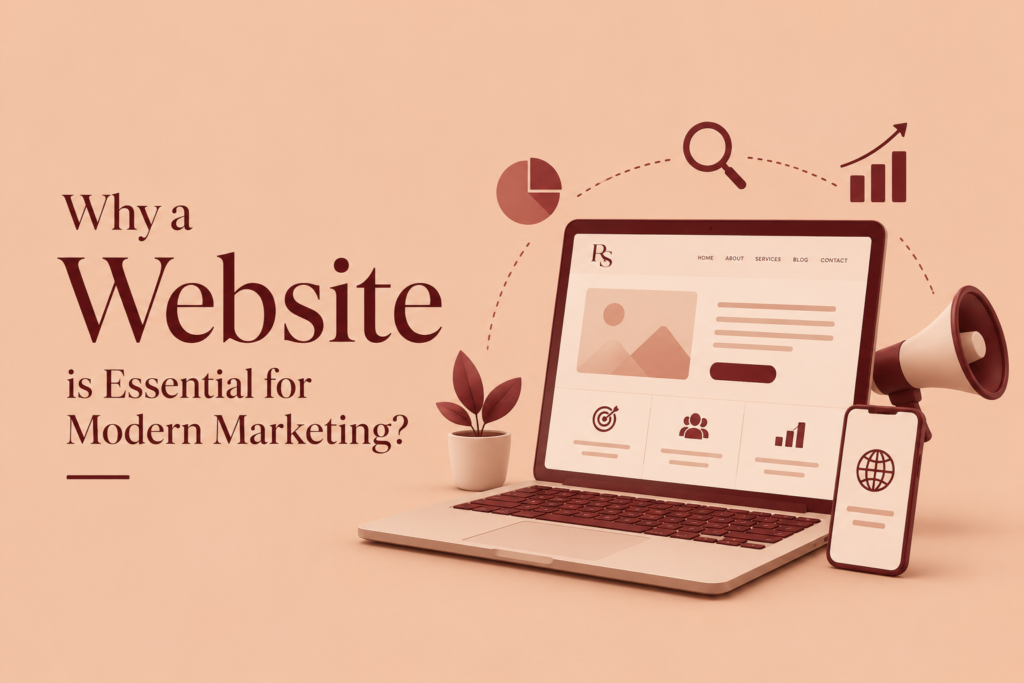
In an increasingly digital-first world, a website has become the foundation of successful marketing. It is more than just an online presence—it serves as a central hub where businesses showcase their brand, communicate their value, and connect with potential customers. Regardless of industry or company size, a professional website plays a crucial role in supporting marketing efforts and driving business growth.
Establishing Brand Credibility
A website is often the first interaction a customer has with a business. A professionally designed website helps create a strong first impression and reinforces brand credibility. It provides visitors with essential information about the company, its services, achievements, and values. In a competitive market, a well-structured website helps businesses stand out and gain customer trust.
Expanding Market Reach
Unlike traditional marketing channels that are limited by location and time, a website allows businesses to reach audiences globally, 24 hours a day. Potential customers can discover products and services, learn about the brand, and engage with the business at their convenience. This expanded accessibility helps companies attract new customers and explore opportunities in wider markets.
Supporting Digital Marketing Strategies
A website acts as the destination for most digital marketing campaigns. Whether businesses invest in social media marketing, search engine optimization (SEO), email campaigns, or paid advertising, the ultimate goal is often to drive traffic to their website. Once visitors arrive, the website provides the information and experience needed to convert interest into meaningful action.
Generating Leads and Conversions
One of the primary objectives of marketing is to generate qualified leads and increase sales. A strategically designed website guides visitors through the customer journey with clear calls-to-action, inquiry forms, and service pages. By simplifying the decision-making process, businesses can effectively convert website visitors into customers and long-term clients.
Enhancing Customer Engagement
Modern websites offer various opportunities for customer interaction. Features such as blogs, contact forms, live chat, newsletters, and downloadable resources enable businesses to engage with their audience and provide ongoing value. This continuous engagement strengthens customer relationships and encourages brand loyalty.
Measuring Marketing Performance
A website provides valuable data that helps businesses evaluate and improve their marketing efforts. Tools such as website analytics allow companies to track visitor behavior, traffic sources, conversion rates, and user engagement. These insights support data-driven decision-making and help optimize marketing strategies for better results.
Conclusion
A website is no longer an optional marketing asset—it is a business necessity. It strengthens brand credibility, extends market reach, supports digital marketing initiatives, generates leads, and provides measurable results. In today’s competitive digital landscape, businesses that invest in a professional and effective website are better equipped to attract customers, build lasting relationships, and achieve sustainable growth.